

Forty-five years of building a safer world.
It started in a San Francisco living room with one question: how do we create a safer, more secure world? The next chapter starts with you.

Where it all started
San Francisco, 1981
In 1981, philanthropist and sculptor Sally Lilienthal invited civic leader Lew Butler and Nobel Prize-winning physicist Owen Chamberlain to her San Francisco living room to discuss how they could change the world.
Chamberlain, a notably quiet person, spoke up.
“There are a lot of problems in the world. There’s only one that’s so much bigger than all the others: nuclear weapons. If we can’t get rid of them, it will destroy civilization.”
“There was silence. Then there was consensus. We had a foundation.”
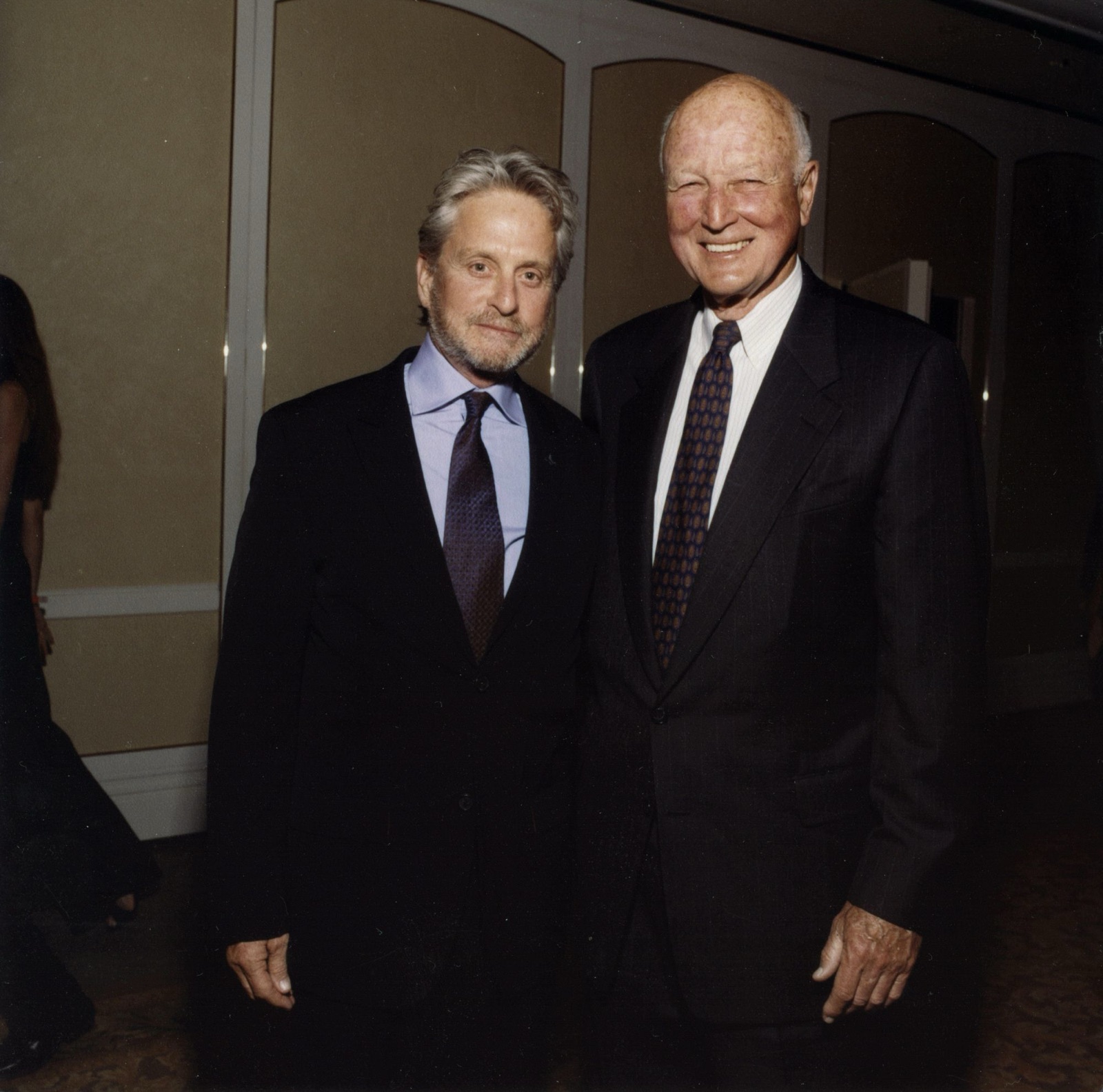
When Ploughshares was created, there were over 56,000 nuclear weapons in the world; missiles on either side of the Iron Curtain stood on alert, ready to launch at a moment’s notice; and four countries conducted fifty nuclear tests in that year alone.
We were there for the first test-ban treaties. We’ve supported two Nobel Peace Prize–winning campaigns. Through the decades, there’s been a common thread: Ploughshares backs the people and ideas turning the tide on nuclear risk.
Today, the global nuclear stockpile hovers a little over 12,000. We still have a long way to go towards a safer, more peaceful world.
Today’s Nuclear Threats
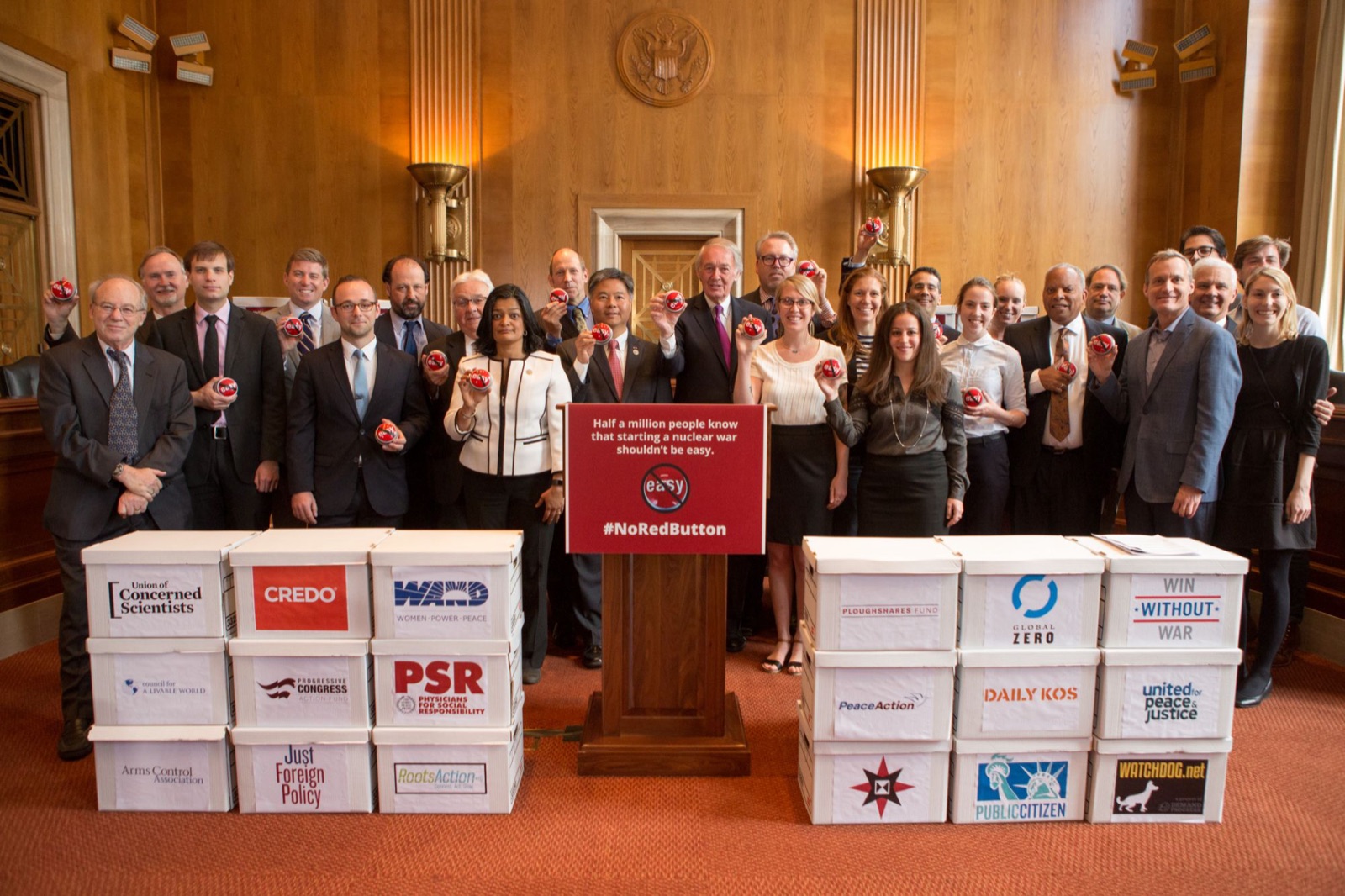
The world is entering a more dangerous nuclear era. From Washington and Moscow to Beijing, Pyongyang, Tehran and beyond, nuclear threats are growing while the diplomatic guardrails are eroding.
If a nuclear weapon hit Washington, DC
A 300-kiloton W-87 warhead detonated over Washington, DC. That is about 20 times the power of the bomb dropped on Hiroshima.
Source: Ploughshares grantee Alex Wellerstein for the Outrider Foundation. Map simplified; rings drawn to scale. Map data © OpenStreetMap contributors.
From 56,000 weapons to about 12,000
When Ploughshares was founded, there were more than 56,000 nuclear weapons in the world. Today there are about 12,000. People and governments made that progress together, and they can finish the job.
Global nuclear stockpile
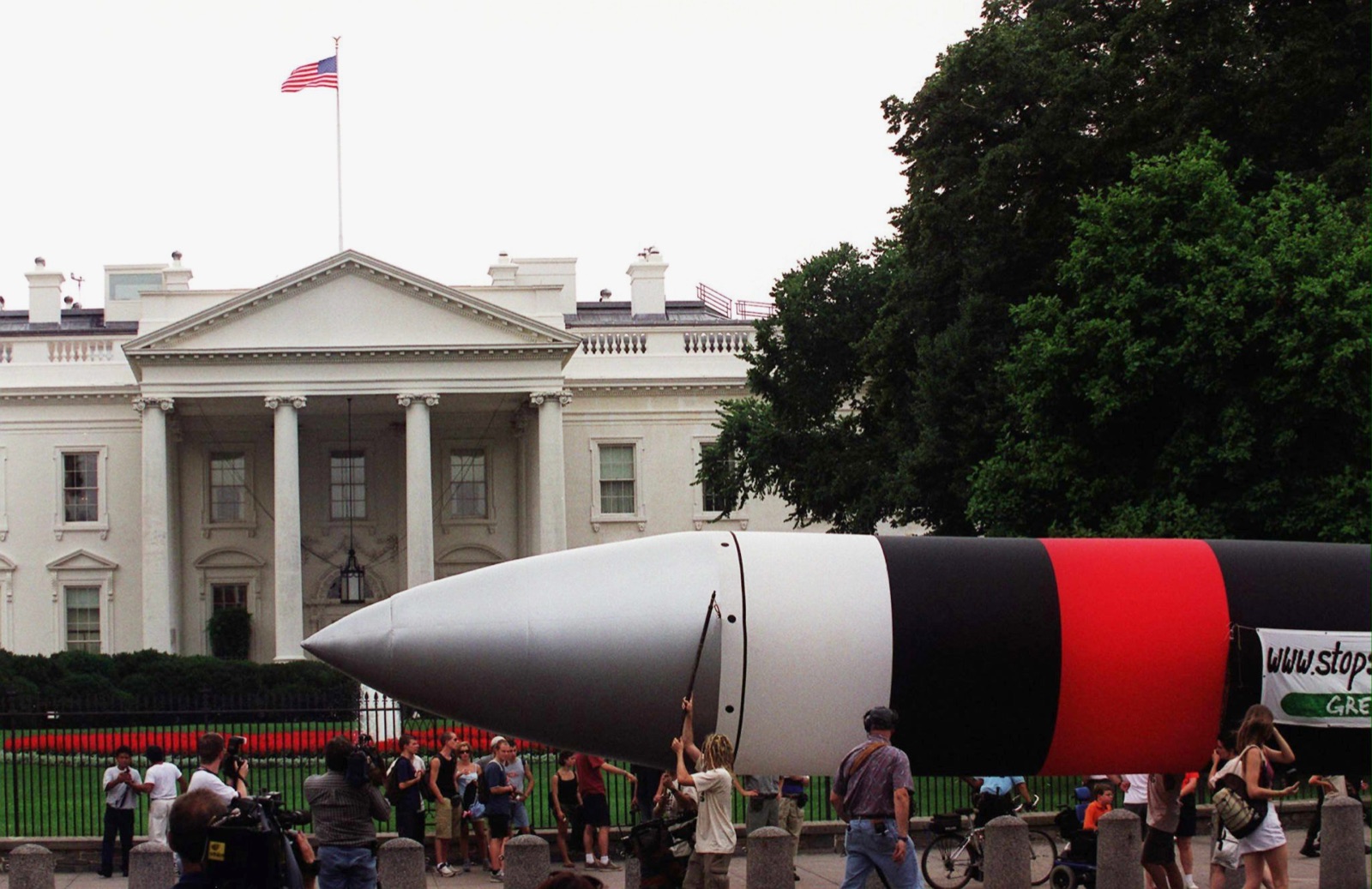
Nuclear stockpiles around the globe
Nine countries hold about 9,700 nuclear weapons in their military stockpiles. The global total of about 12,000 also counts retired warheads waiting to be dismantled. Select a country to learn more.
Swipe the map to see more, or choose a country below.
Nuclear-armed
Russia
4,400warheads in its military stockpile
Russia has possessed nuclear weapons since 1949. It is recognized as one of the five “official” Nuclear Weapon States under the Non-Proliferation Treaty, along with China, France, the United Kingdom, and the United States. Source
Nuclear-armed
Proliferation watchlist
Source: Nuclear Notebook, Bulletin of the Atomic Scientists, compiled by experts from the Federation of American Scientists.
Radiation Exposure Compensation Act (RECA)
Who is covered for radiation exposure?
The Radiation Exposure Compensation Act (RECA) pays compensation to people who became sick after exposure to radiation from US nuclear weapons production and testing. In 2025, Congress expanded who is covered.
Use buttons to compare coverage between 2025 and 1990
Showing 2025 coverage.
Eligible locations in 2025
Downwinders: New Mexico, Idaho and Utah; in Arizona, Apache, Coconino, Gila, Mohave, Navajo and Yavapai counties; in Nevada, Eureka, Lander, Lincoln, Nye and White Pine counties and the northeast quarter of Clark County.
Onsite participants: the Nevada Test Site, the Trinity Test Site, and Pacific test sites at Bikini Atoll, Enewetak Atoll, Johnston Island and Christmas Island, plus other test sites in the South Atlantic and Pacific oceans.
Uranium miners: Arizona, Colorado, Idaho, New Mexico, North Dakota, Oregon, South Dakota, Texas, Utah, Washington and Wyoming.
Manhattan Project waste (added in 2025): select ZIP codes in Missouri, Tennessee, Kentucky and Alaska.
See the covered ZIP codes
- Missouri
- 63031, 63033, 63034, 63042, 63043, 63044, 63045, 63074, 63102, 63114, 63121, 63134, 63135, 63138, 63140, 63145, 63147, 63304, 63341, 63367, 63368
- Tennessee
- 37710, 37716, 37719, 37748, 37763, 37769, 37828, 37829, 37830, 37831, 37840, 37845, 37854, 37887
- Kentucky
- 42001, 42003, 42086
- Alaska
- 99546, 99547
Our Solutions
Since our founding, three central themes characterize our work
Ploughshares combines two critical levers to advance this work: nimble grantmaking to the people and organizations best positioned to make a difference, and field building that connects organizations and experts to amplify their collective impact.
-
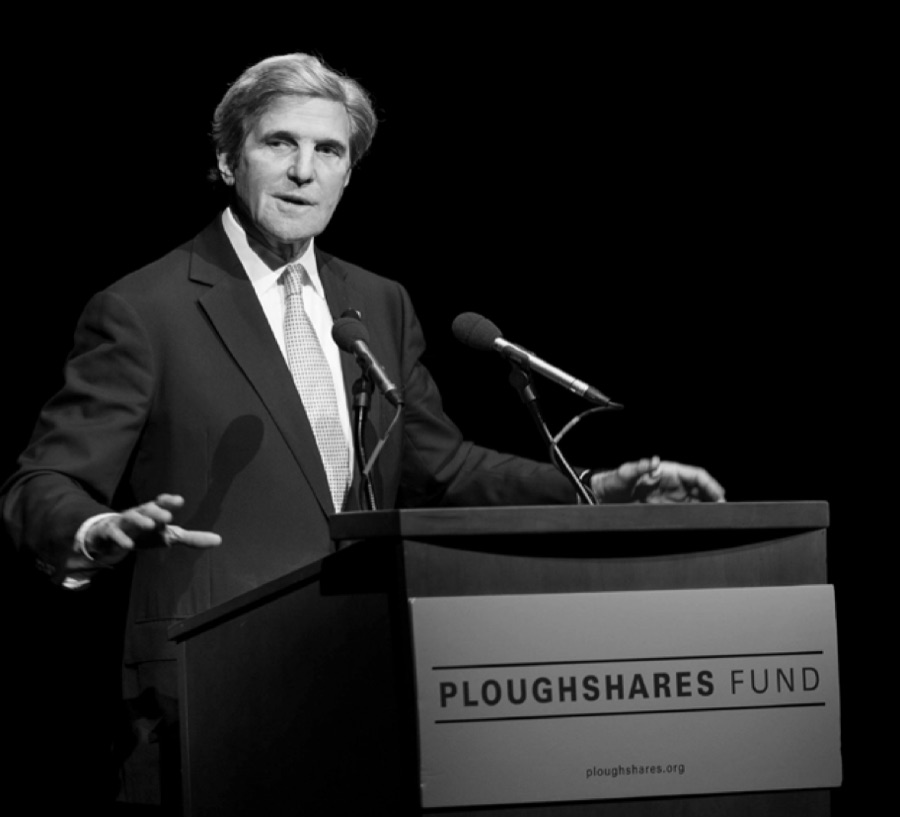
Boldly supporting transformative work
Backing innovative ideas and strategies with the potential to change the course of nuclear policy.
-
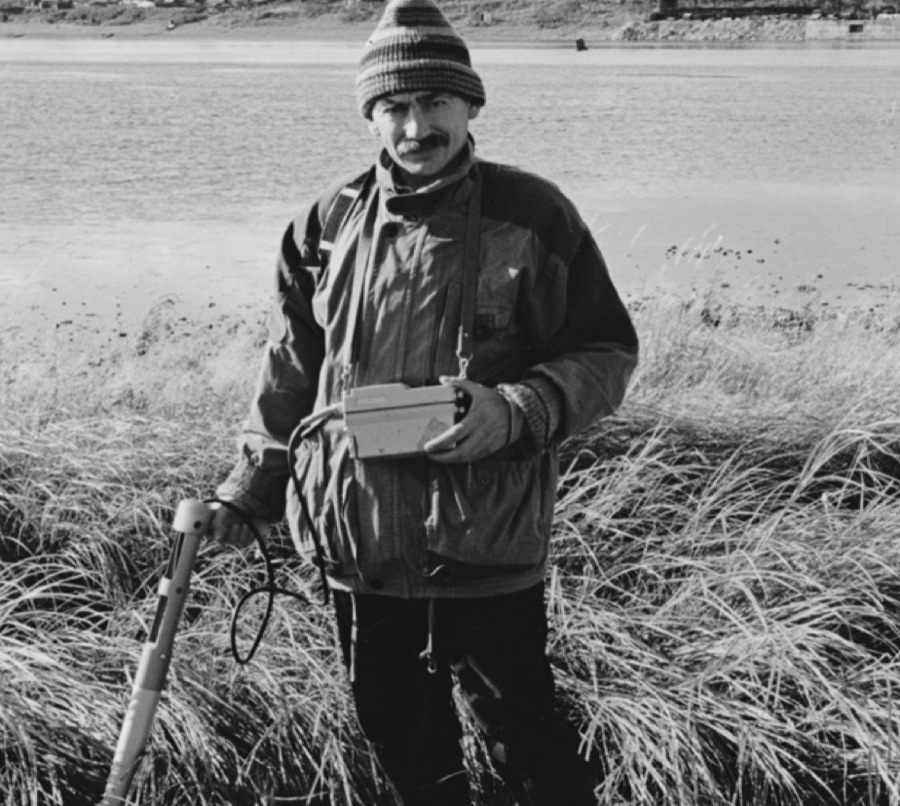
Actively seeking out allies and ideas in previously overlooked places
Bringing new perspectives and partners into a field that needs them.
-
Leading the nuclear field towards shared goals
Helping organizations coordinate their efforts and build a stronger, more effective movement.
Select a program to see the work behind it.
Halting the New Arms Race
- Boldly supporting transformative work
- Actively seeking out allies and ideas in previously overlooked places
- Leading the nuclear field towards shared goals
New START, the last remaining US-Russia arms control agreement expired in February 2026, leaving their nuclear arsenals unconstrained for the first time in decades. Great strides in nuclear reductions were made in the years following the Cold War, but traditional arms control regimes are ill equipped to deal with many 21st century nuclear threats and an increasingly multipolar world. Ploughshares leads the Stop the Nuclear Arms Race Roundtable (STARR) and funds research by top arms control experts as they envision new forms of lasting, meaningful arms control for an era of great power competition.
Nuclear war would impact everyone, which is why we believe everyone’s voice matters on our issue. Our experience has shown us that grassroots advocacy can shed light on important nuclear weapons issues that are otherwise overlooked in DC and can build local coalitions that bridge traditional political divides. Ploughshares supports organizations uplifting the voices of people across the United States, and the world, as they push back against the impacts of nuclear weapons in their own back yards.
The US will spend $71 billion on its nuclear weapons systems in FY2027 alone and plans to spend $1.7 trillion over the next 30 years replacing its entire nuclear arsenal. This monumental expense comes at a time when Americans face an affordability crisis and critical services are being cut. Ploughshares supports the experts and advocates who use their legislative connections to target wasteful and dangerous weapons programs like the “Golden Dome” strategic missile defense system and the proposed nuclear-armed sea-launched cruise missile (SLCM-N).
The US government has embarked on a major effort to resume production of the plutonium cores of nuclear weapons. The need is scientifically dubious; the process, opaque; and infrastructural problems could lead to health and safety risks at sites around the country. Therefore, Ploughshares supports a country-spanning coalition of local environmental, peace, and watchdog organizations based near the proposed production sites. These groups have successfully sued the US government to require public input and conduct a thorough environmental review before production ramps up. Their work, which employs litigation under the National Environmental Policy Act, represents a novel strategy for the nuclear threat reduction field, and its success serves as an important model for other organizations pushing back against an unnecessary and potentially harmful plan to replace the entire US nuclear arsenal.
Preventing the Spread of Nuclear Weapons
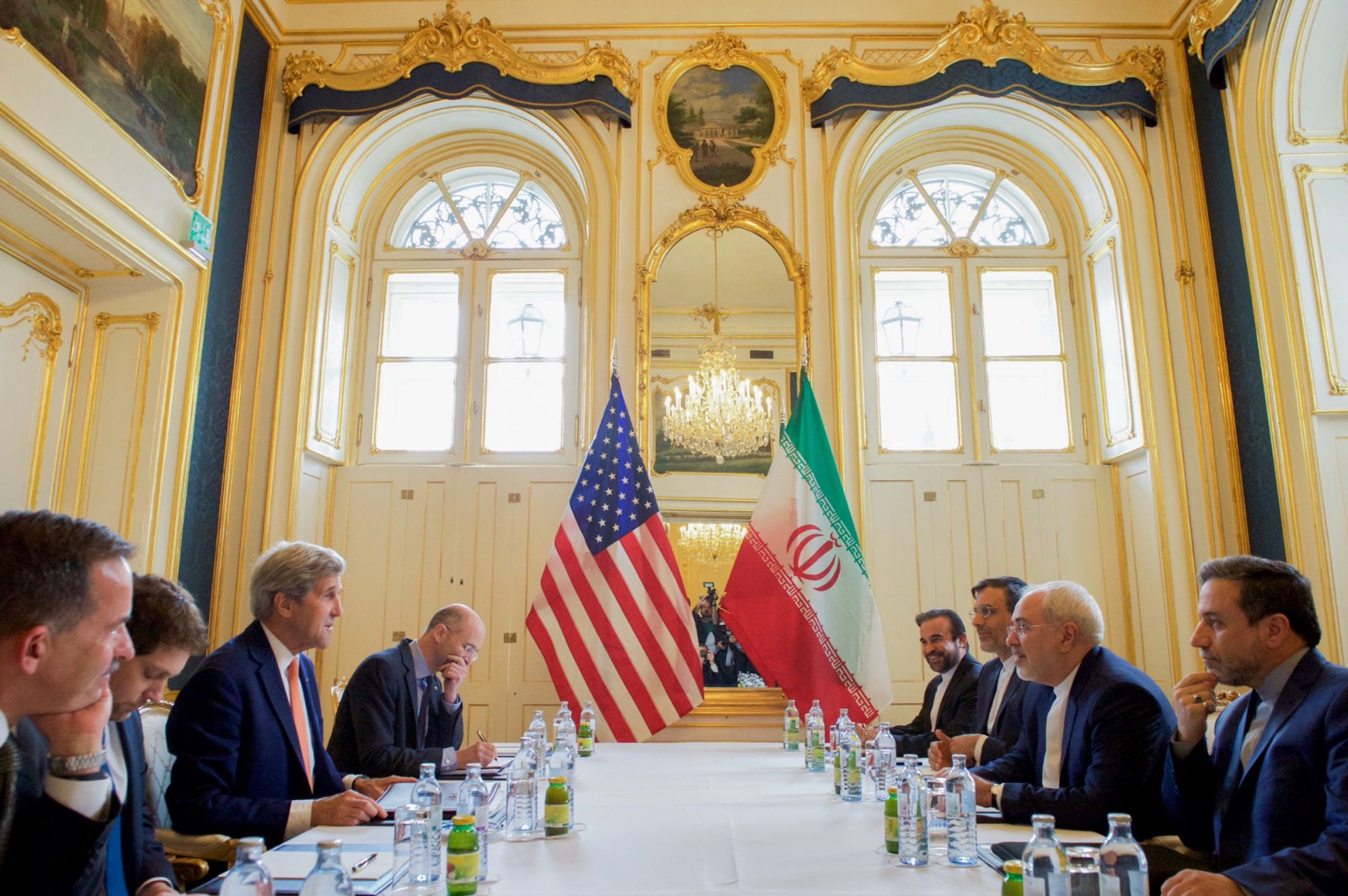
Iran represents the most immediate nuclear proliferation threat. Therefore, for over fifteen years, Ploughshares has funded arms control proponents, regional experts, and grassroots advocates to promote diplomatic efforts to halt their nuclear program. Following the start of the Trump administration’s war with Iran, Ploughshares expanded civil society coordination through our long-standing 85-plus member Iran Coalition, built greater ties to anti-war organizations, and supports ongoing lobbying efforts to halt the conflict through War Powers Resolutions in Congress and cutting off funding for the war.
China is rapidly expanding its nuclear arsenal from its once-modest size, yet Beijing seems uninterested in formal arms control talks. Therefore, in addition to funding policy research on the strategic logic behind China’s nuclear expansion, we support US-China expert dialogues between retired government and military officials, academics, and civil society leaders in an effort to lay the groundwork for future negotiations and provide back-channel avenues of communication on vital security issues in an effort to lower the risk of war.
North Korea’s nuclear program is the most opaque in the world and hawkish voices in the US and South Korea hamper efforts at dialogue with the North. Therefore, Ploughshares supports open-source researchers who provide the public and policymakers with crucial information about North Korea’s nuclear program as well as civil society groups who promote smarter US policy towards North Korea and enable North-South dialogue, critical steps in moving toward meaningful constraints on their nuclear program.
Russia’s invasion of Ukraine and the Trump administration’s skepticism towards NATO are fundamentally reshaping European security. In some cases, countries are even considering acquiring nuclear weapons of their own. Therefore, Ploughshares supports European researchers as they develop paths to enhance European security without adding more nuclear-armed states, as well as advocates who contest attempts to bring more nuclear weapons to the continent.
Conventional conflicts involving nuclear-armed states could quickly escalate to nuclear conflict, which is why Ploughshares’ Cowles Fund supports work to address the root causes of conflict in regions where nuclear weapons exist. This portfolio — focused on the Middle East and South Asia — supports peacebuilding efforts in conflict areas, innovative research on the drivers of regional war, citizen-to-citizen dialogues in contested areas, and innovative policy recommendations to build lasting peace.
Building and Sustaining Our Movement
For decades, communities living downwind of US nuclear weapons tests and production sites, uranium miners like those in the Navajo Nation, and veterans exposed to nuclear tests suffered radiation-related illnesses with little recourse. For decades they fought for recognition and compensation for the government’s harms. Finally, in 1990, Congress passed the Radiation Exposure Compensation Act (RECA), but the law had an expiration date and excluded some Impacted Communities, including those near Manhattan Project-era sites. Therefore, Ploughshares funds and provides coordinating support to a broad coalition of nuclear experts, Impacted Community members, public health experts, and Indigenous leaders as they seek a comprehensive version of RECA. This work has already seen major success as an expanded version of RECA was enacted in 2025. Now, we support this coalition as they seek to make these gains permanent.
The generation that led the nuclear threat reduction field through the end of the Cold War is retiring, and tomorrow’s nuclear challenges will require new leaders. Therefore, Ploughshares created the Nuclear Futures Fellows program to support a global cohort of emerging professionals from diverse backgrounds who are committed to advancing innovative approaches to nuclear risk reduction. Fellows receive mentorship, professional development opportunities, and access to a growing network of experts and practitioners. Now in its third year, this Fellowship boasts an alumni network with members throughout the nuclear field who are deeply involved in supporting diplomacy with Iran, gaining recognition and compensation for those harmed by America’s nuclear past, and envisioning what arms control can be in the 21st century.
In honor of Ploughshares Chair Emeritus Roger Hale’s unwavering commitment to Ploughshares and our mission, we host an annual fellowship for an exemplary young researcher to conduct original research and policy analysis on nuclear weapons policy, the nuclear threat reduction field, and peace and security philanthropy. For over a decade, Ploughshares’ unique position as a funder and field builder deeply embedded into work throughout our field provides Hale Fellows a unique perspective to study how philanthropy supports the nuclear threat reduction field and the opportunity to work with many organizations and experts.
Public support is essential for our cause, yet public interest has been waning since the end of the Cold War. Therefore, Ploughshares invests in organizations that provide communications training and resources to help the nuclear threat reduction field inform the public and educate policymakers. We also coordinate organizations to help them develop timely, shared messaging on nuclear-related news to engage new constituencies on our cause.
Our reports through the years
Ploughshares has produced and supported research that helps the field see nuclear risk more clearly and imagine better paths forward. These reports trace how our program work has grown, from field-wide strategy to missile defense, culture and gender justice. Browse them from oldest to newest.
-
2003
Strengthening the Peace and Security Community: A Collaborative Planning Document (PDF, opens in a new tab)
-
2015
Crossroads: America’s Nuclear Security in 2045 (PDF, opens in a new tab)
-
2015
Changing Cultural Conceptions of Nuclear Weapons (PDF, opens in a new tab)
-
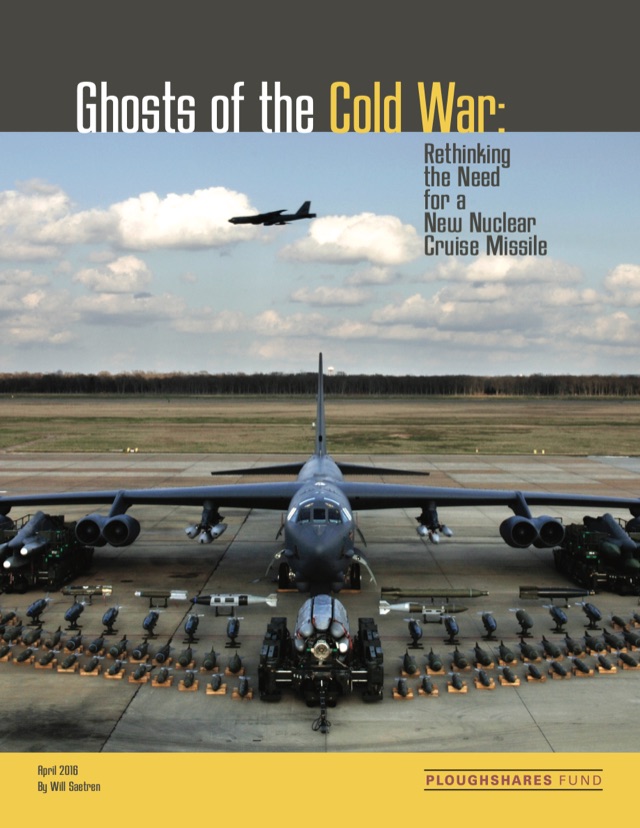
2016
Ghosts of the Cold War: Rethinking the Need for a New Nuclear Cruise Missile (PDF, opens in a new tab)
-
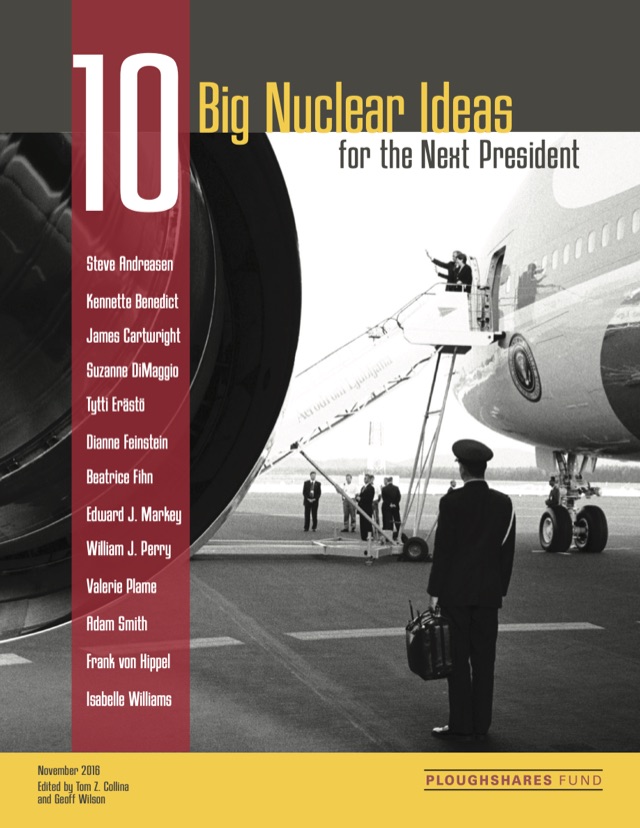
2016
10 Big Nuclear Ideas for the Next President (PDF, opens in a new tab)
-
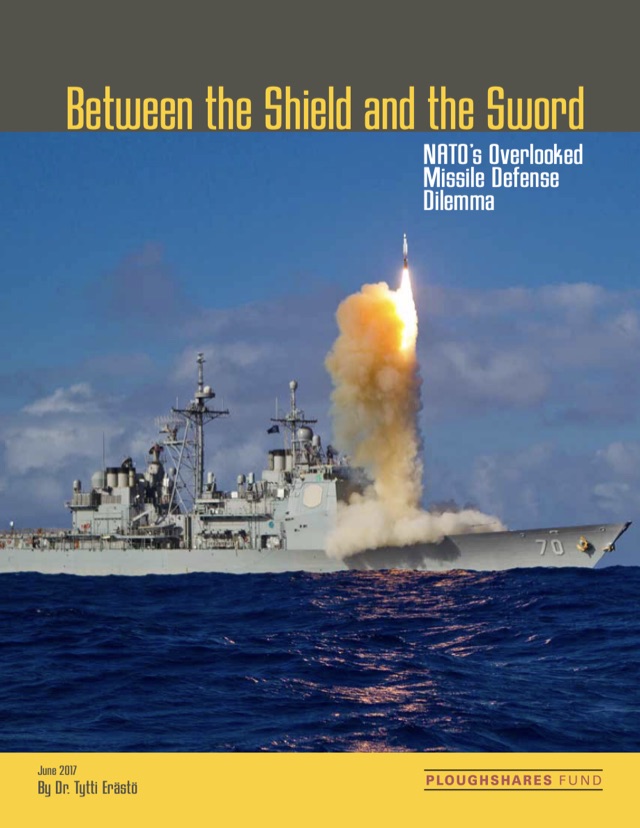
2017
Between the Shield and the Sword: NATO’s Overlooked Missile Defense Dilemma (PDF, opens in a new tab)
-
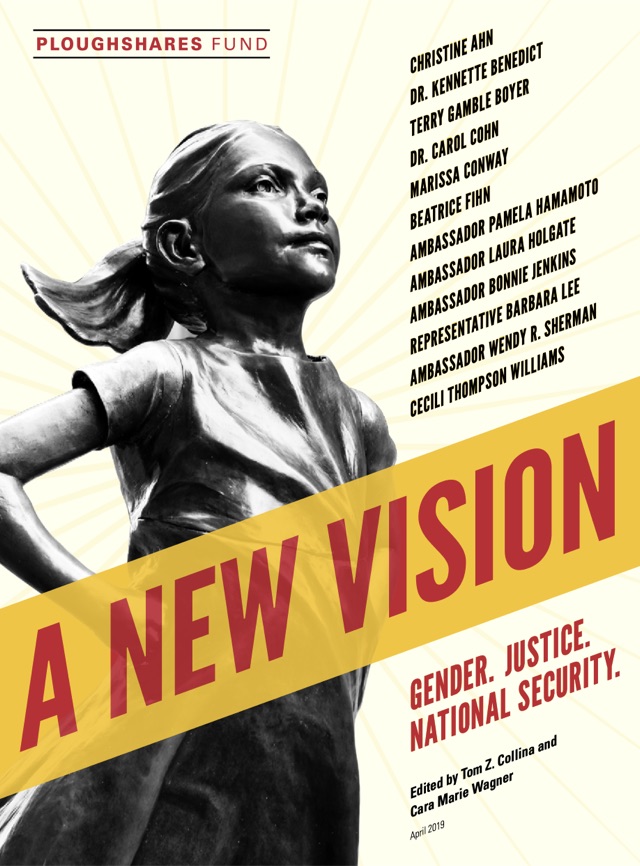
2019
A New Vision: Gender. Justice. National Security. (PDF, opens in a new tab)
Get to know our work
Check back each week as our year-end campaign proceeds for additional resources about the bold ideas that get us closer to a shared vision of a world free from nuclear threats.

2026 Year-end giving
The next chapter starts with you.
Every milestone achieved—and every milestone yet to come—is made possible by people who choose to invest in a safer world. Your 2026 year-end gift writes what comes next.
Make a year-end gift