Nuclear Futures Fellows
We are thrilled to launch the third cohort of the Nuclear Futures Fellowship!
This year, we welcome 8 fellows as we launch our work together with an intensive in Washington, DC in early August 2026.
Through our partnership with Horizon 2045, we are proud to support a fellowship program that builds upon our practice of collaboration and bold action-taking together: the Nuclear Futures Fellowship. Through the Nuclear Futures Fellowship, Horizon 2045 supports an important piece of Ploughshares’ nuclear field building efforts, co-creating programs and experiences designed to instill long-term thinking, systems thinking, and cross-issue awareness and collaboration as foundational field-wide capacities.
The Nuclear Futures Fellowship is designed for emerging and established leaders in the nuclear field who want to develop new and practical skills and qualifications to meet the needs of a dramatically changing global and political landscape. This fellowship focuses on navigating the field through today’s challenges while simultaneously exploring future opportunities to mitigate nuclear threats. Using Horizon 2045 tools, and frameworks such as strategic foresight, fellows will investigate levers of change in the nuclear field and use strategic scenarios to explore alternative futures of a world free of the nuclear threat.
Before the second cohort wraps up their projects this cycle, check them out below! And, you can see all the alumni of the first cohort here and check out some of their live projects such as Sina Toossi’s applied systems thinking lens in Beyond Maximalism: Rethinking U.S. Strategy Toward Iran, and Declan Penrose’s paper Envisioning the Future of Nuclear Security.
Declan Penrose (cohort 1) designed a project with ripple effects going far beyond this cohort to the entire Emerging Leaders Network.
“I thought the emerging next generation might have a bit more open thinking as to what could be influencing the field.”
After her project focused on the intergenerational impacts of Nuclear Testing in Fiji, Alicia Sanders-Zakre (cohort 1) reflected about the TPNW:
"Having a UN treaty that has almost a hundred signatory countries gives power to the argument that abolition can happen and will happen one day. In that sense it is aligned with foresight in that you're imagining futures that to some people seem impossible today, but there is a path towards them if we keep moving things in that direction."
Maverick-Peter Seda (cohort 2) is using his lesson from the intensive that “foresight and scenarios in particular could empower and build advocacy” to design a Nuclear Justice Center in his nuclear-affected home of Kiribati
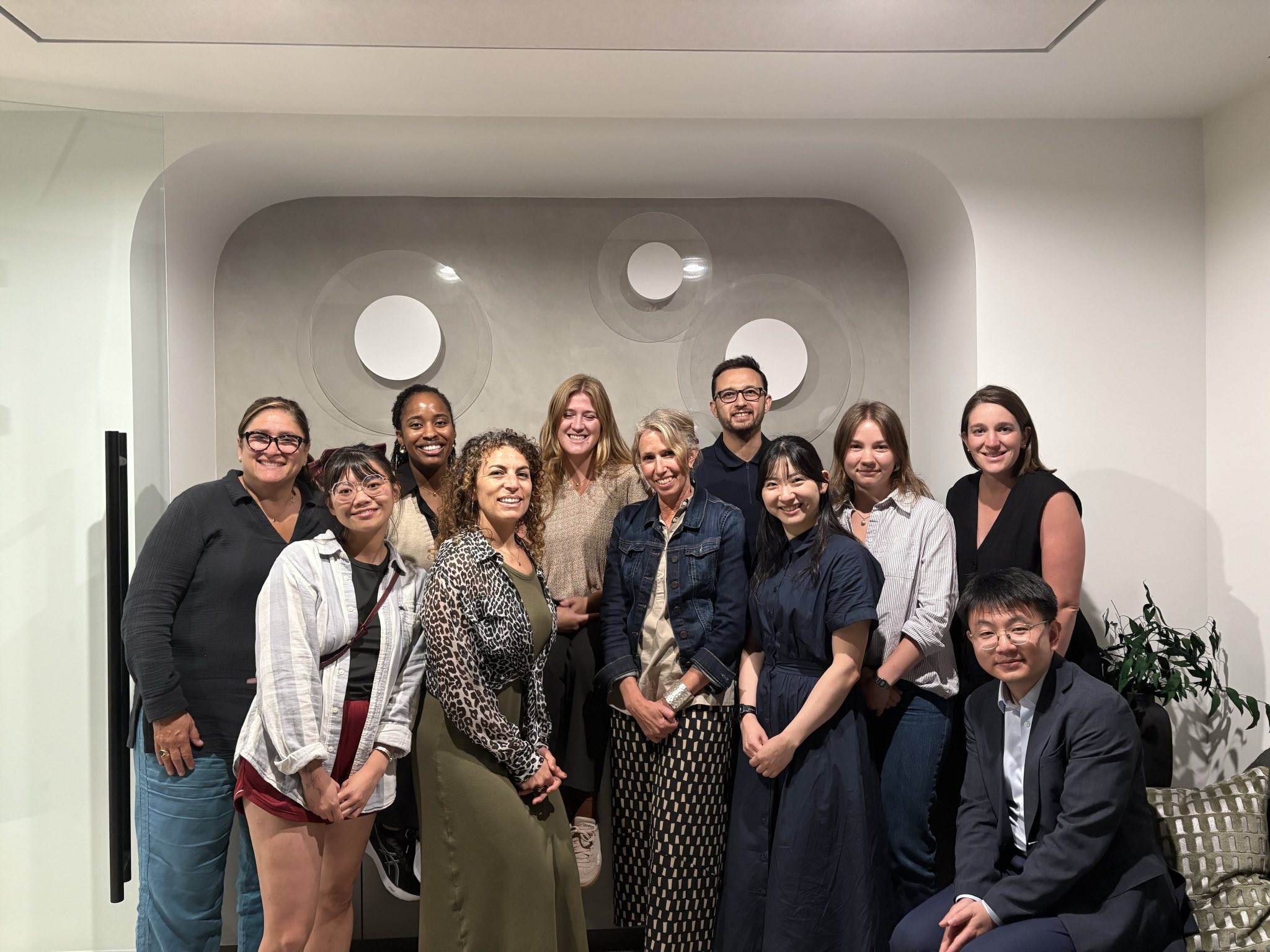
2025 Nuclear Futures Fellows