Building a future
beyond nuclear fear.
We are a hub where thought leaders, innovators, campaigners, and activists convene and take action to move us closer to a world free from nuclear threats.
Ploughshares is a relentless force committed to eliminating the threat of nuclear weapons. As the largest foundation singularly focused on reducing this danger, we grow and amplify the impact of the most effective advocates and organizations in the world through critical funding and trusted field building support.
Nuclear war affects everyone. We raise much-needed awareness to the perils of nuclear weapons development, testing, and use.
Latest from our Story Center

Historic Expansion of RECA Passes in Reconciliation Bill
In a historic and hard-fought victory for communities harmed by U.S. nuclear weapons testing, waste, and uranium exposure, Congress has passed the largest expansion of the Radiation Exposure Compensation Act (RECA) since its original enactment in 1990. RECA provided compensation to individuals with serious illnesses resulting from radiation exposure from nuclear testing and uranium work.…

El Sol: A Nuclear Fallout-Inspired Video Game to Engage Gen Z in Nuclear Disarmament
Nuclear disarmament is a topic not widely discussed among people my age. I am in my mid twenties, and I am typically met with surprise when I bring up nuclear-related issues with my peers. My particular story as a Tularosa Basin Downwinder is often new information to the average person I talk to in America. …

Iranian Americans Mobilize Against War and Nuclear Catastrophe
Growing up as an Iranian American, the fact that the United States could go to war against Iran always cast a shadow in the background of my life. We had close calls during the Bush era, most famously epitomized in 2007 by the late Senator John McCain chanting to the beat of a popular Beach…
NukeTalk Podcast
The most recent season of NukeTalk is The Nuclear Ballot: How the US Election Shapes Nuclear Policy. NukeTalk is currently on hiatus.
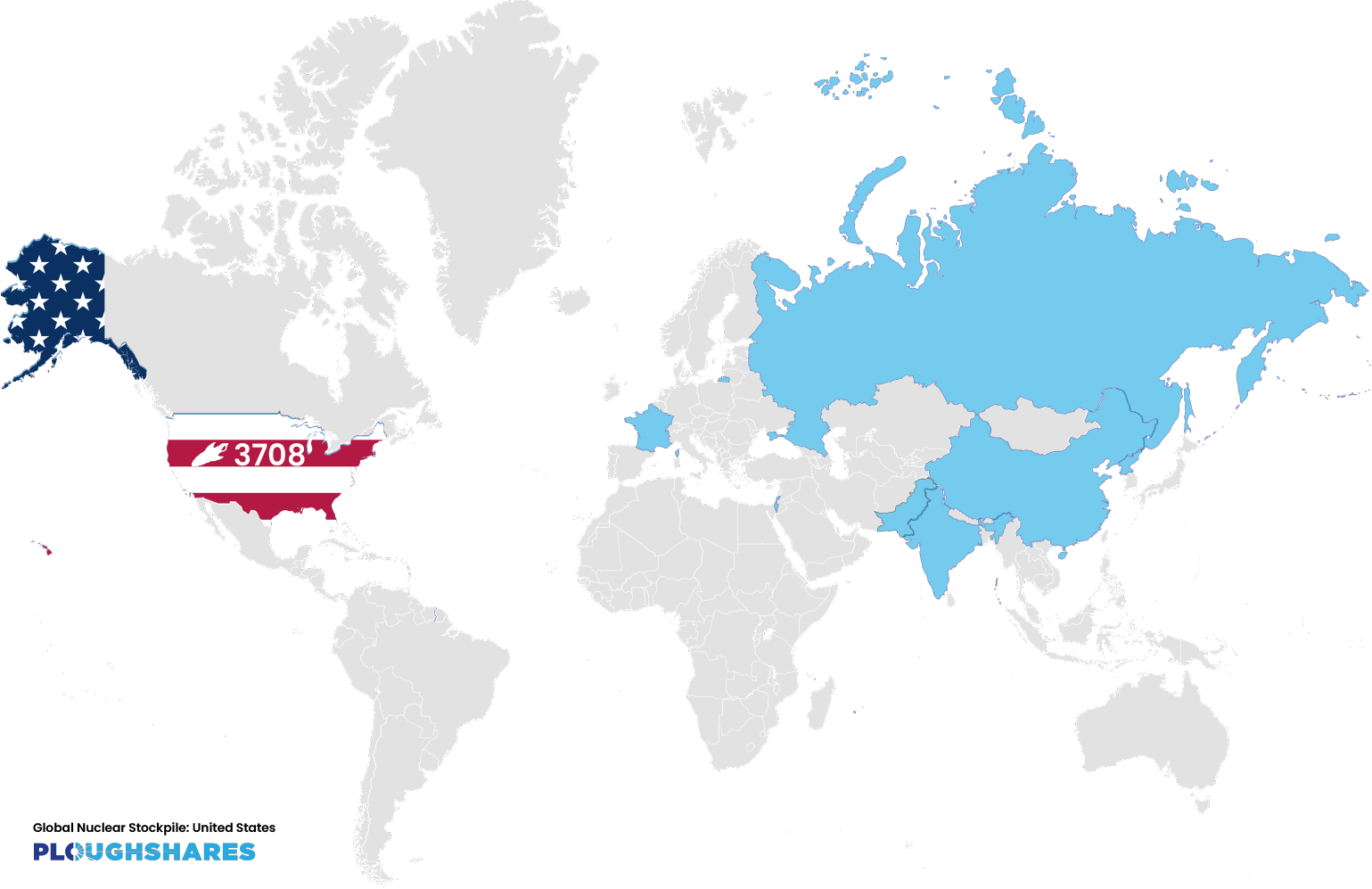
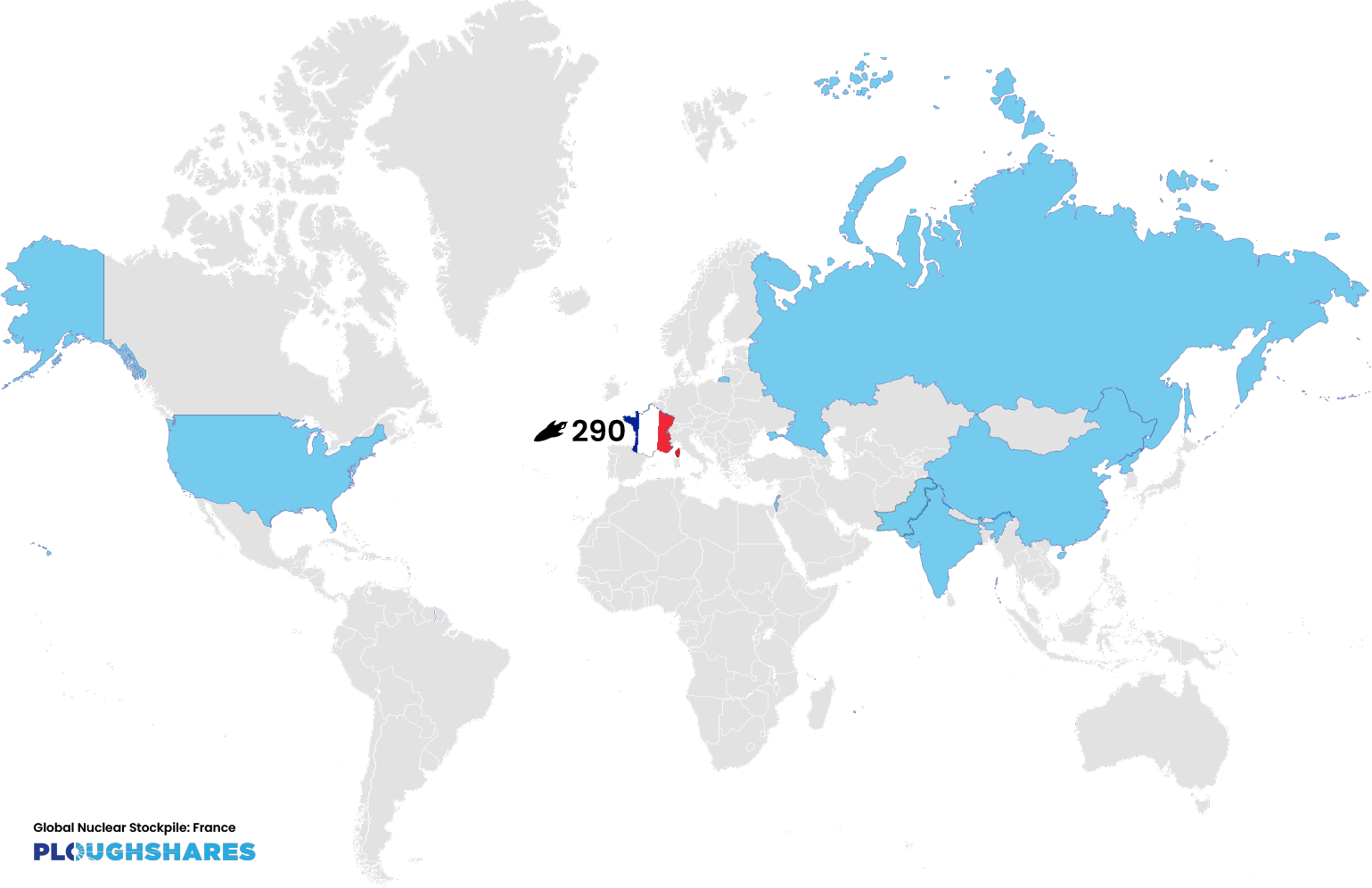
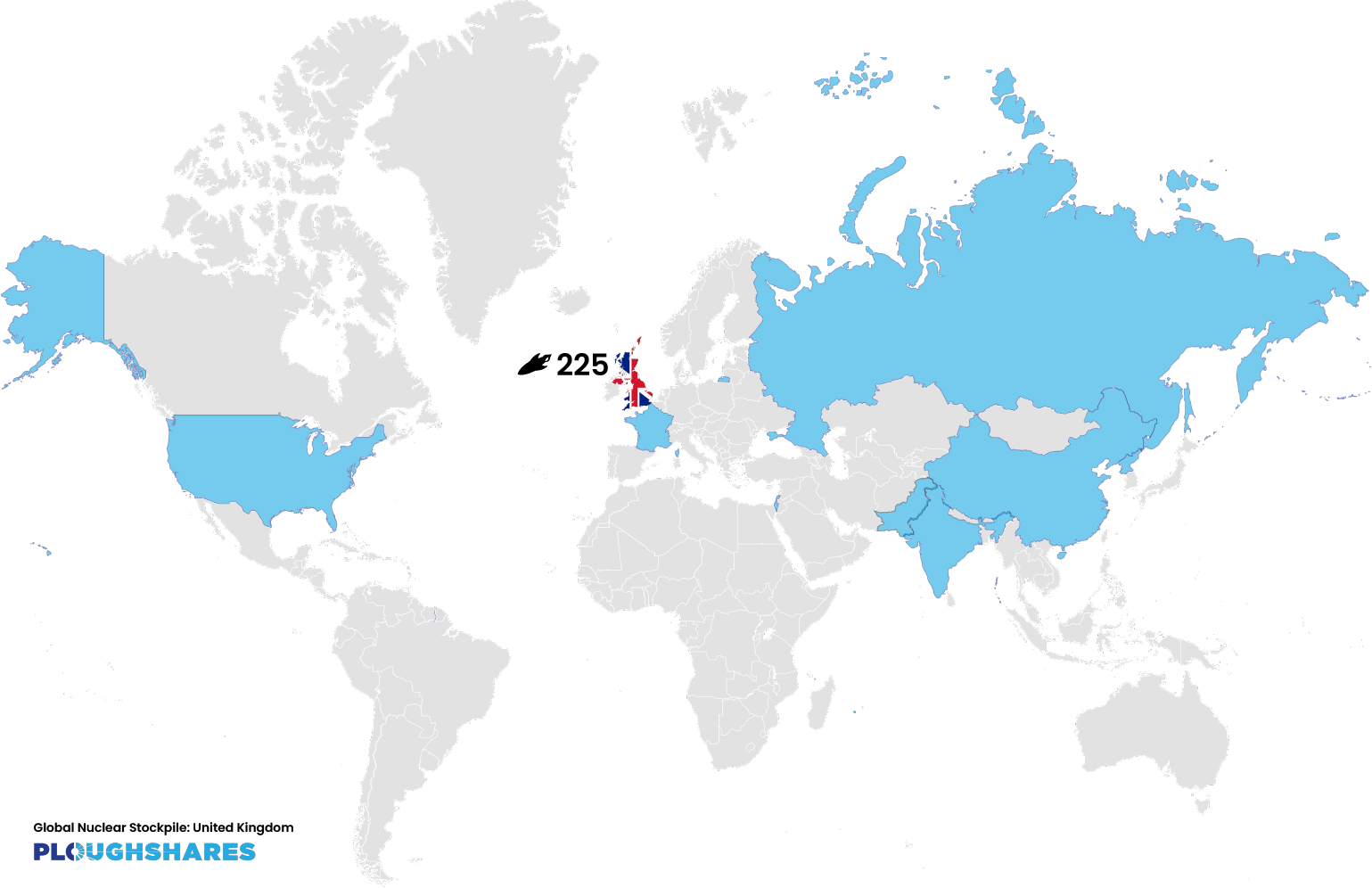
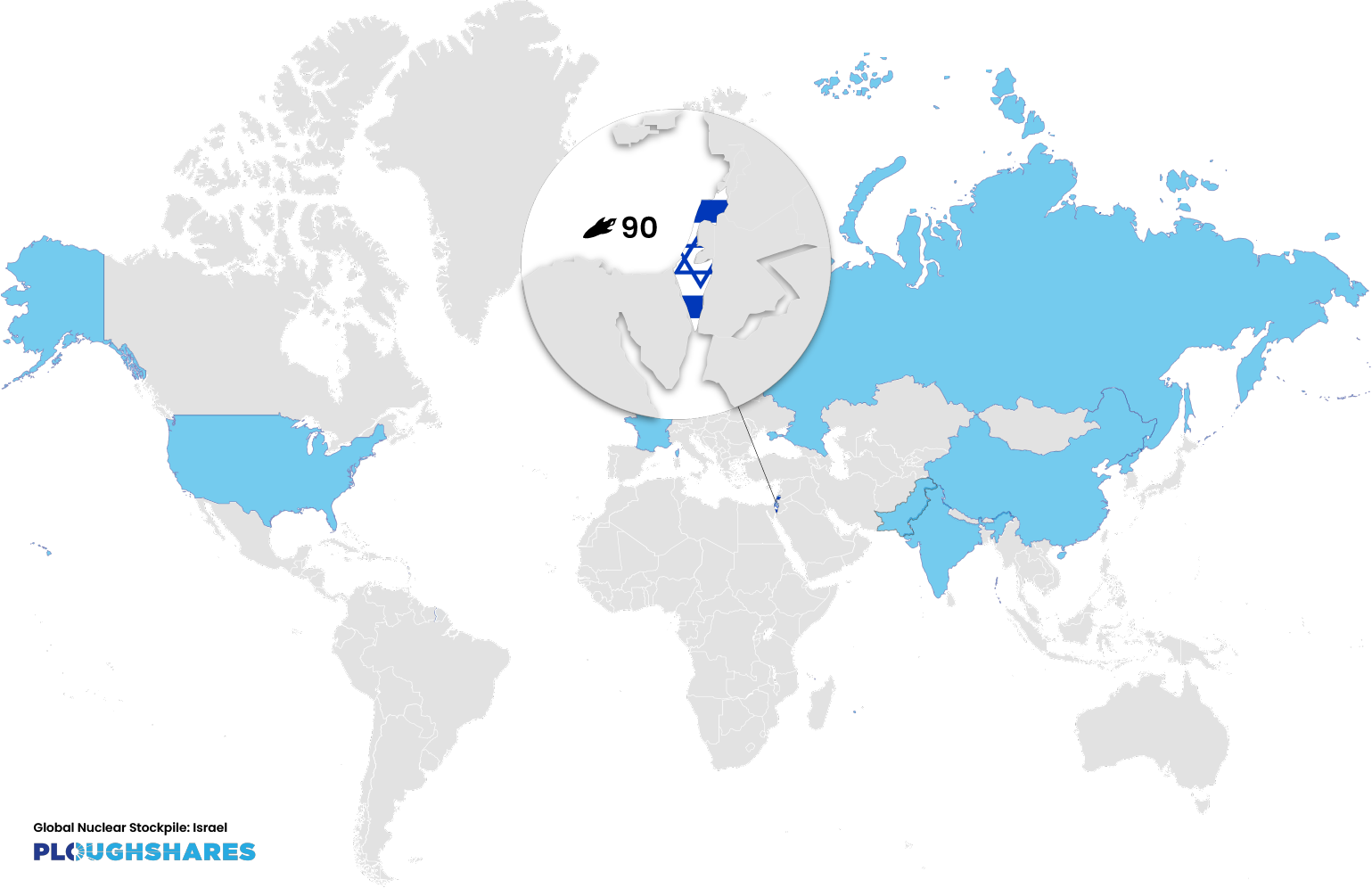
9 countries in the world possess nuclear weapons.
Of the approximately 12,121 weapons that exist today, the United States and Russia have a combined total of 10,624, accounting for over 90 percent of the world’s nuclear arsenal.